
Time for a Furnace Tune-Up Before Cooler Weather
Orange County and Southern Los Angeles winters are typically mild. Even so, a furnace tune-up before cooler weather is still worth scheduling. Many furnaces sit unused through a long cooling season. Dust collects, and filters load up. Small problems can stay hidden until the first cool night, when you actually need the heat.
A licensed HVAC technician should do the furnace tune-up. A home inspection is a visual, non-invasive look at accessible equipment, not a furnace service call.
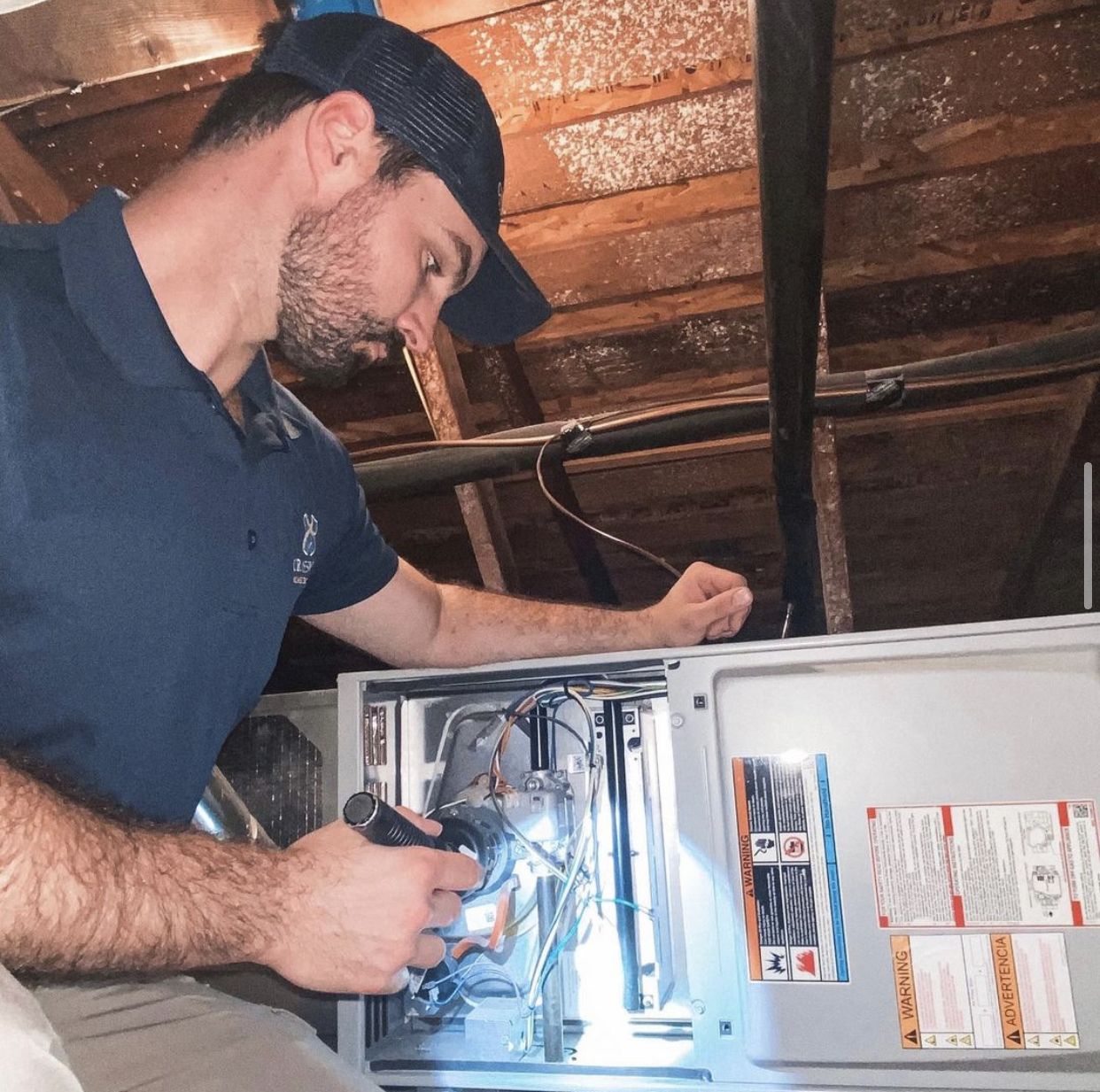
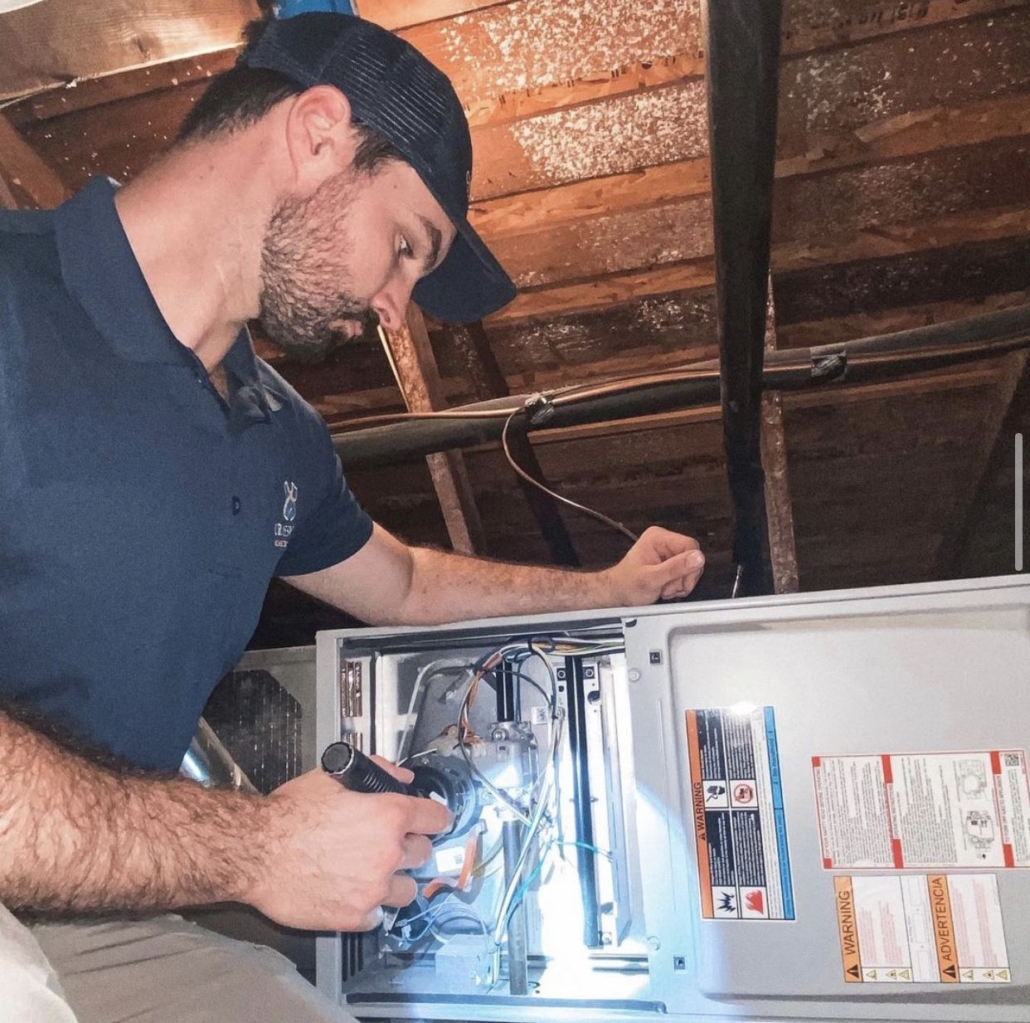
During a home inspection we look at accessible heating equipment, including an attic furnace when it can be reached safely. That visit is visual and non-invasive, not a substitute for a licensed tune-up. Photo: Crosswind Home Inspection.
Why schedule a furnace tune-up before you need the heat
The U.S. Department of Energy recommends professional maintenance for a furnace or heat pump each year. ENERGY STAR suggests a heating checkup in the fall, before contractors get busy. DOE also notes that a regular maintenance schedule can reduce heating and cooling costs by 5 to 10 percent. It can also help the equipment last longer.
In a mild climate, it is easy to put this off. If the system has not run for months, start with a professional inspection. That is a better first step than flipping the thermostat to heat and hoping it still works.
What a typical furnace tune-up includes
ENERGY STAR describes a typical maintenance checkup as work for a contractor, not a weekend project. In general, a furnace tune-up visit may include:
- Checking thermostat settings and confirming the system starts, runs, and shuts off properly
- Tightening electrical connections and measuring voltage and current on motors
- Lubricating moving parts where the equipment requires it
- Inspecting the condensate drain, which can clog and cause water damage
- For gas or oil furnaces, checking fuel connections, gas pressure, burner combustion, and the heat exchanger
The U.S. Consumer Product Safety Commission also recommends an annual professional inspection of the heating system. That inspection should include chimneys and flues. The check looks for blockages, corrosion, loose connections, or disconnections. A dirty burner or a cracked heat exchanger can make the equipment less safe and less efficient. That work belongs with a licensed technician.
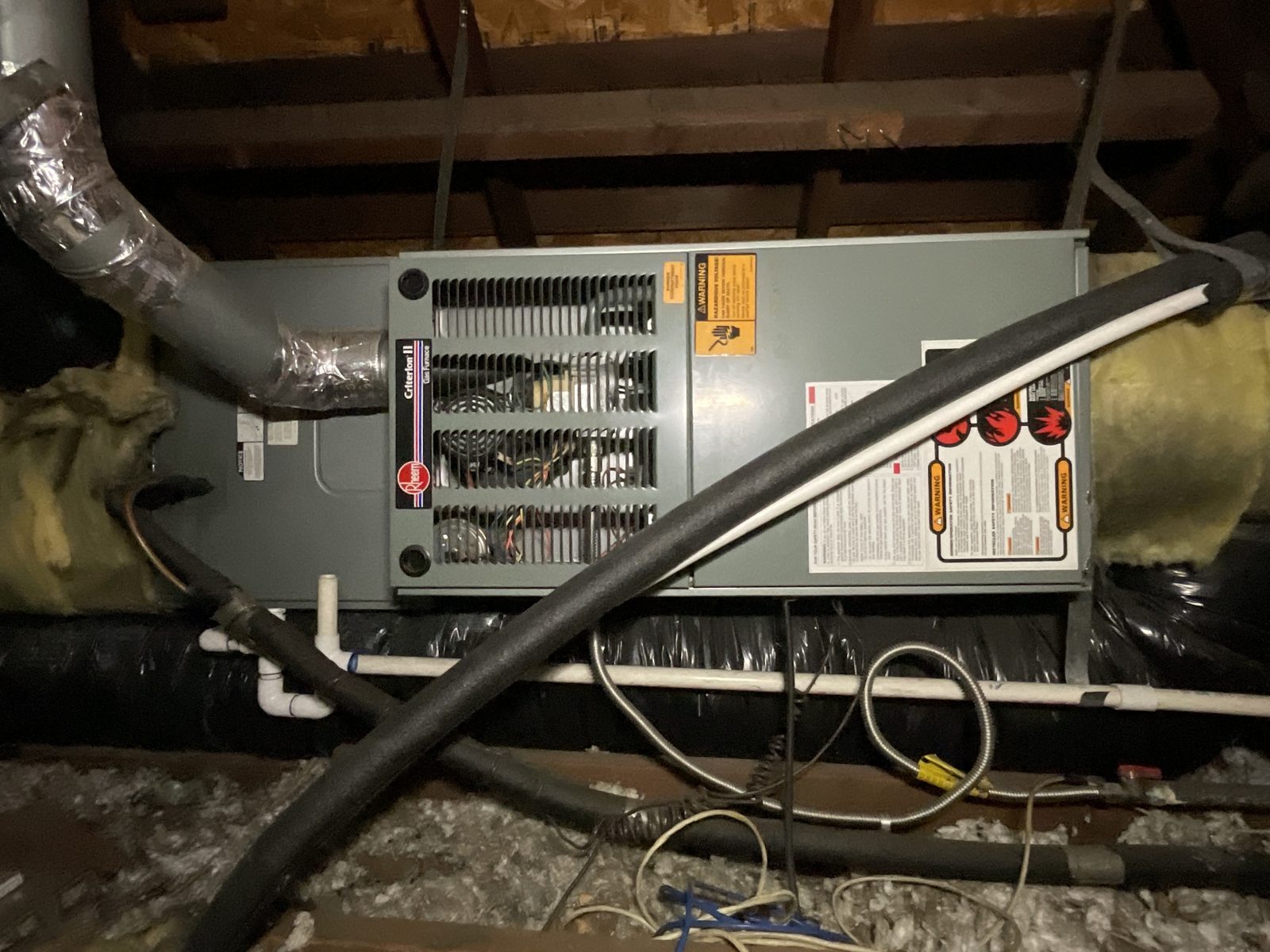
A gas furnace in an attic is a common setup in Southern California homes. A licensed technician can service it as part of a tune-up. Photo: Crosswind Home Inspection.
Filters you can change yourself
One job most homeowners can handle is the air filter. ENERGY STAR recommends inspecting, cleaning, or changing the filter once a month in a furnace, air conditioner, or heat pump. A contractor can show you how. The Department of Energy similarly recommends checking the filter every month and replacing it when it is dirty. It also recommends replacing the filter at least once every three months.
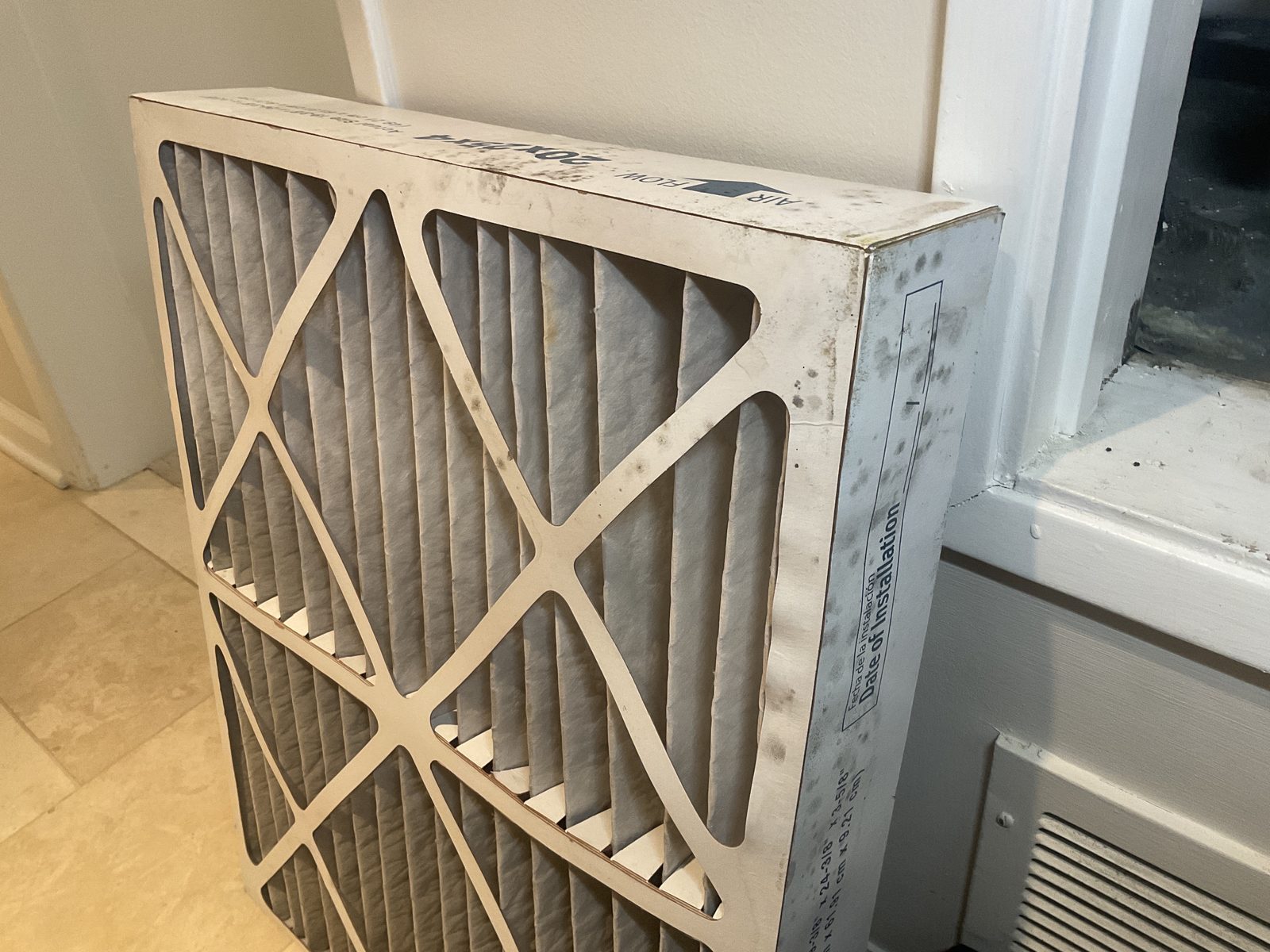
A dirty filter restricts airflow and makes the system work harder. Most homeowners can inspect and replace the filter themselves. Photo: Crosswind Home Inspection.
A dirty filter restricts airflow, makes the system work harder, and can shorten the life of the equipment. Changing the filter is useful, but it is not the same as a furnace tune-up. If you are not sure which filter to use, the owner’s manual or the filter slot usually lists the size.
Carbon monoxide, combustion air, and venting
Carbon monoxide is a colorless, odorless gas. It is produced by incomplete burning of fuels such as natural gas, propane, oil, and wood. CPSC recommends installing a CO alarm that meets the current UL 2034 standard. The alarm should have battery power or battery backup. Place one on every level of the home and outside sleeping areas. Interconnected alarms are best, because when one sounds, they all sound. A CO alarm is added protection. It is not a substitute for proper use and upkeep of fuel-burning appliances.
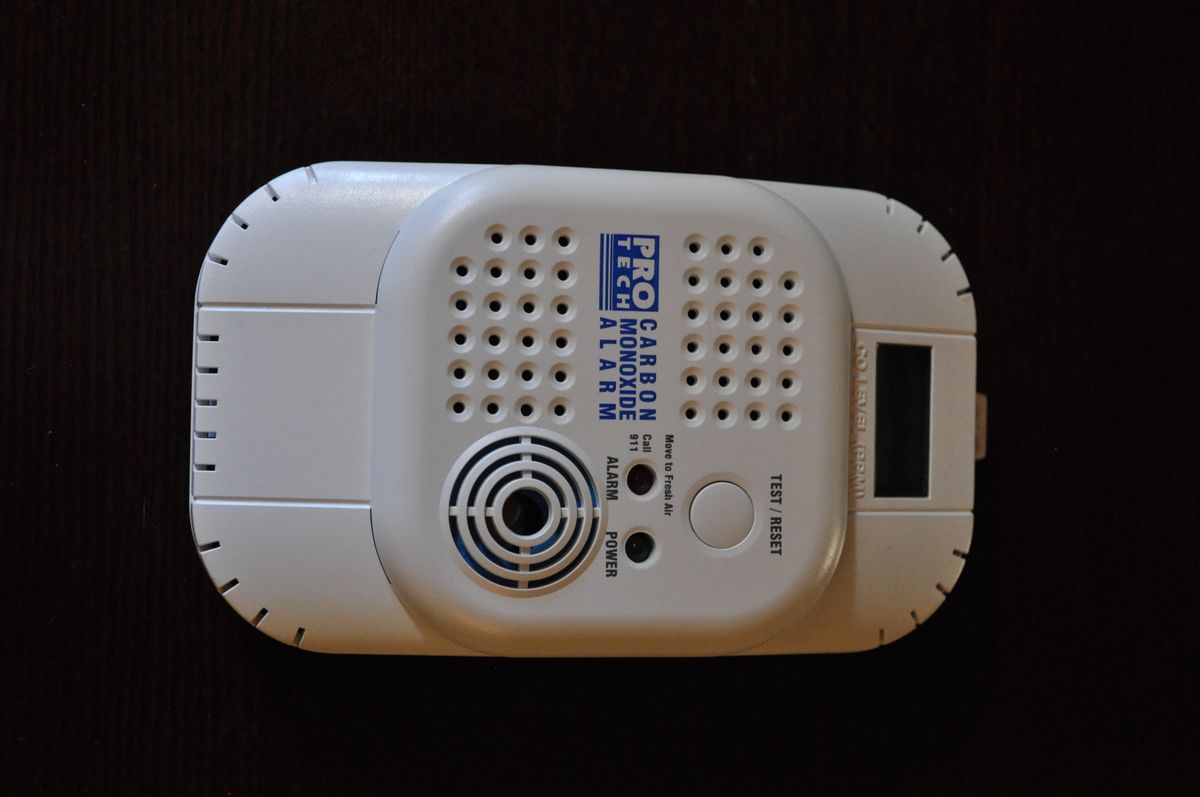
CPSC recommends a carbon monoxide alarm that meets the UL 2034 standard. Place one on every level of the home and outside sleeping areas. California also has its own device requirement for many dwellings. Photo: The EnergySmart Academy, CC0, via Wikimedia Commons.
California also requires a State Fire Marshal-approved carbon monoxide device in existing dwelling units. That requirement is in Health and Safety Code section 17926. The rule applies to units that have a fossil-fuel burning heater or appliance, a fireplace, or an attached garage. Follow the manufacturer’s instructions for placement and testing.
Combustion appliances also need a clear path for air and exhaust. Keep the area around the furnace free of stored items. Do not block air openings to the unit or to the room where it is installed. CPSC says the professional inspection should include the flue or chimney. The agency also warns against servicing fuel-burning appliances without the proper knowledge, skill, and tools.
If a CO alarm sounds, CPSC says to get outside to fresh air immediately and call emergency services. Do not go back inside until responders say it is safe.
What you can safely check at home
Before the technician arrives, you can:
- Inspect and change the air filter
- Make sure supply registers are open and not blocked by furniture or rugs
- Keep the furnace area clear of boxes, chemicals, and other clutter
- Test smoke and carbon monoxide alarms, and replace batteries as the manufacturer directs
- From the ground, look at the outdoor vent termination for obvious damage, nests, or debris, without climbing or taking anything apart
Leave gas connections, burners, the heat exchanger, electrical testing, and flue work to a licensed HVAC technician. If you smell gas, leave the house and call the gas utility or emergency services from outside.
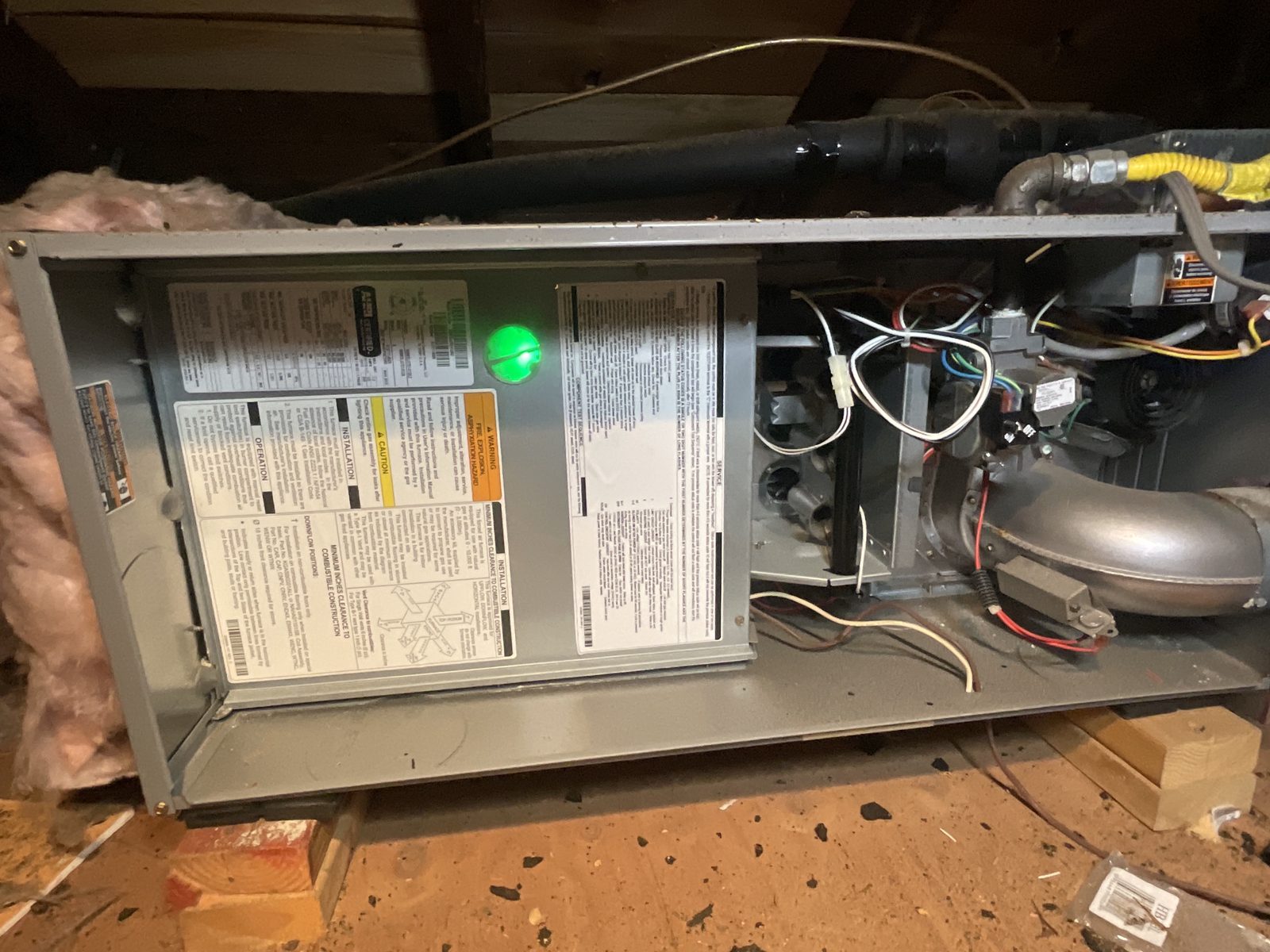
Internal components, including burners and the heat exchanger, belong with a licensed HVAC technician. Photo: Crosswind Home Inspection.
Testing alarms and checking vents also belongs on a broader fall home maintenance checklist for Orange County homes.
What a home inspection can, and cannot, tell you
During a home inspection, we look at the accessible heating equipment as part of a visual, non-invasive evaluation. That typically includes the apparent age and condition of the unit, and the data plate when it is readable. We also look for visible issues such as rust, a blocked flue, or a filter we can see. Unusual noise may be apparent if the system can be operated.
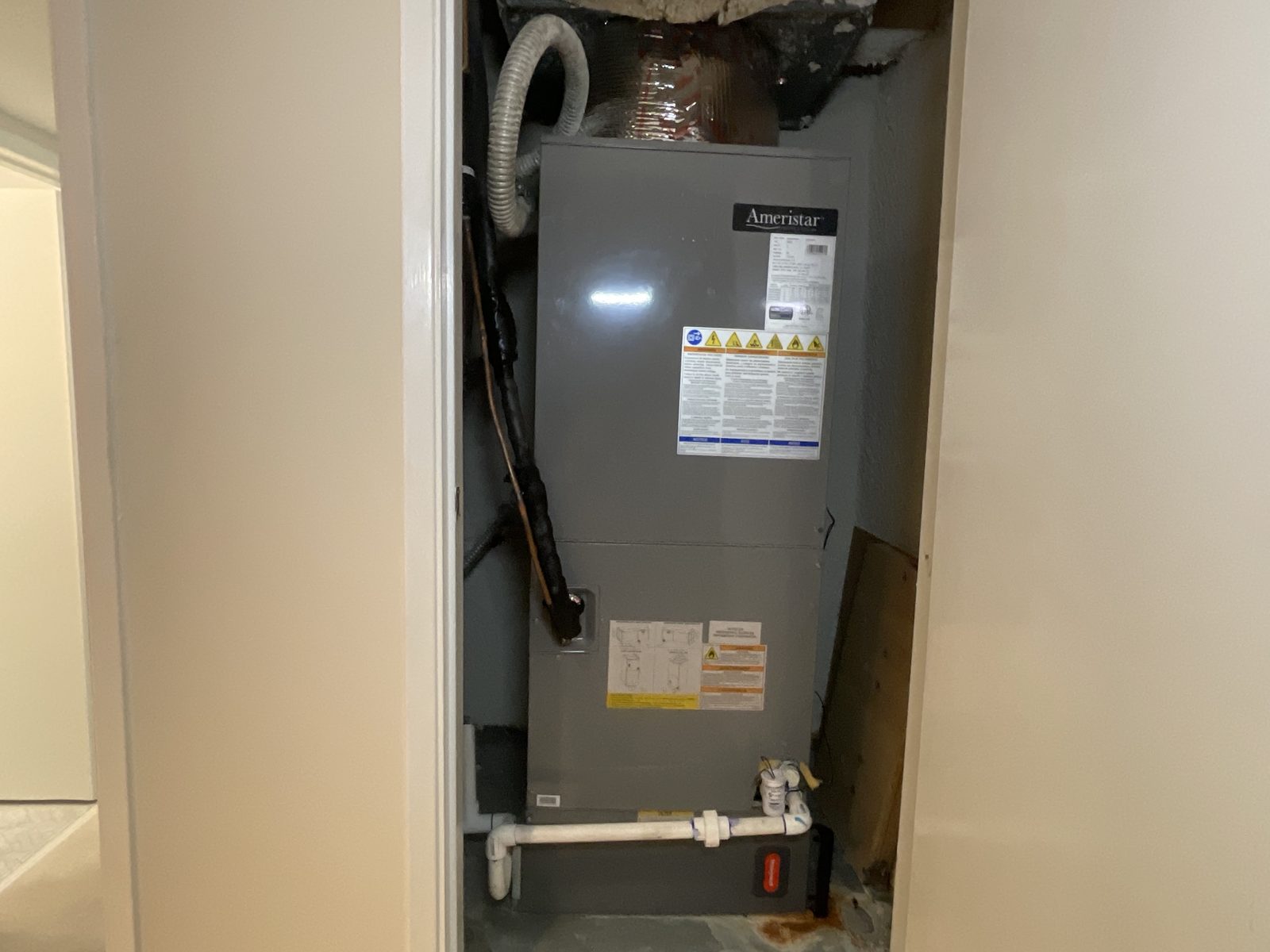
We look at indoor air handlers and closet-mounted units during a home inspection. They are part of the accessible heating and cooling equipment. Photo: Crosswind Home Inspection.
We do not perform a furnace tune-up. We also do not test for carbon monoxide or measure combustion. We cannot determine whether the heat exchanger is intact. Those questions belong with a licensed HVAC contractor.
If you are buying or selling in Cypress, Orange County, or Southern Los Angeles, visit Crosswind Home Inspection. You can schedule a home inspection or learn more about what to expect on inspection day. You can also call or text (714) 514-9681.
Frequently asked questions
When should you get your furnace serviced?
ENERGY STAR suggests a heating checkup in the fall, before contractors get busy. The Department of Energy recommends professional maintenance for a furnace or heat pump each year.
How often should a gas furnace be serviced?
DOE recommends professional maintenance each year. CPSC also recommends an annual professional inspection of the heating system. That inspection should include chimneys and flues. The check looks for blockages, corrosion, loose connections, or disconnections.
Is a furnace tune-up the same as changing the air filter?
No. Changing the filter is a job most homeowners can do themselves. ENERGY STAR recommends inspecting, cleaning, or changing it once a month. A tune-up is a professional visit. It may include electrical checks, lubrication, and the condensate drain. For gas furnaces, it may also include fuel connections, combustion, and the heat exchanger.
What are California’s carbon monoxide detector requirements?
California requires a State Fire Marshal-approved carbon monoxide device in existing dwelling units. The rule applies when the unit has a fossil-fuel burning heater or appliance, a fireplace, or an attached garage. That requirement is in Health and Safety Code section 17926. CPSC also recommends a CO alarm that meets the UL 2034 standard. Place one on every level of the home and outside sleeping areas.
Sources
- U.S. Department of Energy, Home Energy Checklist
- U.S. Department of Energy, Guide to Home Heating and Cooling
- ENERGY STAR, Maintenance Checklist
- U.S. Consumer Product Safety Commission, Carbon Monoxide Questions and Answers
- U.S. EPA, What about carbon monoxide detectors?
- California Health and Safety Code section 17926


Leave a Reply
Want to join the discussion?Feel free to contribute!