
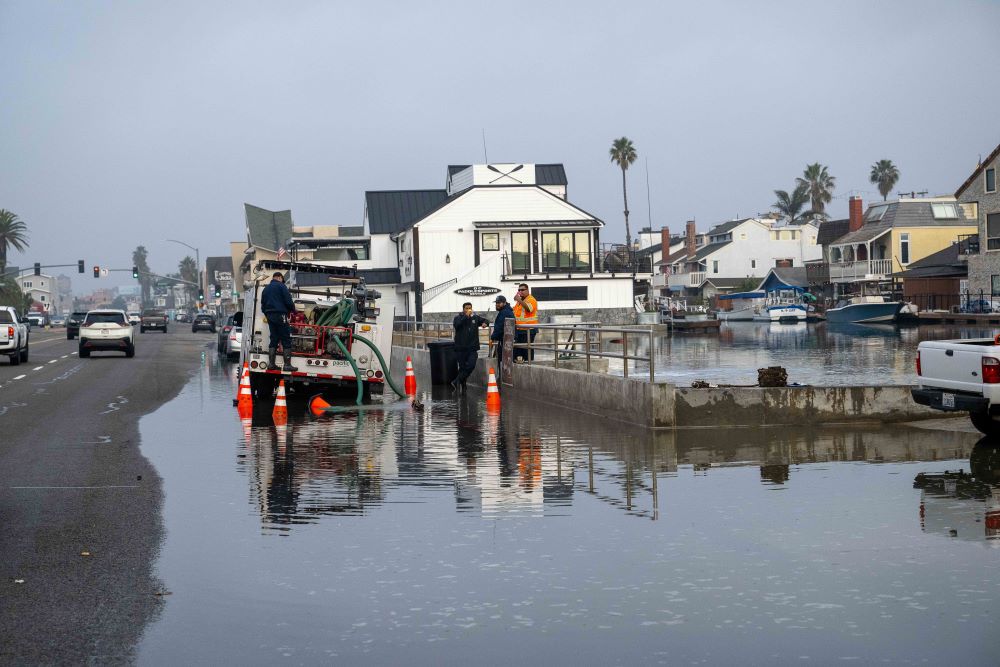
When the marine layer sits over Seal Beach, Huntington Beach, and Long Beach all summer, salt air quietly works on exposed roof fasteners, chimney flashing, and balcony hardware. Months of dry weather hide that wear until the first winter storm, king tide, or atmospheric river arrives and turns minor gaps into active leaks.
If you own a coastal home within 20 miles of Cypress, including Belmont Shore, Naples, Surfside, Sunset Beach, Costa Mesa, or Newport Beach, preparing your home for heavy rain looks a little different than it does inland. Salt corrosion, flat-roof parapet walls, high coastal humidity, and older raised foundations all deserve attention before the storm track shifts south. As an InterNACHI-certified and infrared-certified inspector who walks these neighborhoods every week, this is the pre-storm maintenance checklist I share with local homeowners.
1. Check Roof Flashing, Fasteners, and Flat-Roof Scupper Drains
Most homeowners who wake up to a roof leak after rain aren’t dealing with a worn-out roof field; they’re dealing with corroded flashing or backed-up roof drainage. Coastal salt air speeds up rust on exposed nail heads, drip edge, plumbing vent boots, and valley or chimney flashing long before shingles or clay tiles reach the end of their life.
From the ground with binoculars (never climb onto a damp or steep roof), scan for slipped or cracked tiles, rusted metal around vents and skylights, and peeling paint or staining along fascia boards.
If you live near the water in Seal Beach, Sunset Beach, Belmont Shore, Huntington Beach, or Newport Beach, there is a good chance all or part of your home has a low-slope or flat roof framed by parapet walls. A flat roof leaking after rain almost always traces back to a clogged scupper drain or internal roof drain. Windblown sand, palm fronds, and leaves pack the throat of the scupper, causing rainwater to pond across membrane seams and push behind parapet wall stucco. Clearing every scupper, strainer basket, and overflow drain before the first storm of the season is one of the highest-return maintenance steps a coastal homeowner can take.
2. Clear Rain Gutters, Downspouts, and Stucco Weep Screeds
Routine rain gutter cleaning in Huntington Beach, Long Beach, and Newport Beach isn’t just about keeping leaves out of the trough. When gutters overflow during a downpour, sheets of water run straight down exterior walls and pool right against the foundation.
Flush each downspout with a garden hose before winter weather arrives and verify where that water actually goes:
- Confirm downspouts and splash blocks carry runoff several feet away from the structure rather than dumping into an enclosed planter bed against the house.
- Check that soil, bark mulch, and hardscaping sit well below your stucco weep screed at the base of exterior walls so trapped moisture inside the wall assembly can drain freely.
- Clear yard area drains and check that soil slopes away from the perimeter rather than back toward your foundation or garage threshold.
3. Seal Against Wind-Driven Rain at Windows, Sliding Doors, and Stucco
Coastal winter storms rarely fall straight down. Onshore gusts drive rain horizontally against ocean- and south-facing walls, testing every joint around windows, doors, and upper-level decks.
When a window leaks when it rains, or a sliding glass door leaks when raining, clogged track weep holes are frequently part of the culprit. Vacuum sand and salt crust out of the bottom window and slider tracks, then pour a small cup of water into the track to make sure it drains freely out the exterior weep slots. While walking the exterior, inspect deteriorated caulking around window frames, check weatherstripping along exterior doors, and look closely at ocean-facing balconies and deck ledgers for soft wood, rusted railing posts, or cracked waterproof deck coatings. Hairline cracks in stucco are common across Southern California, and any crack wide enough to catch a fingernail (roughly a sixteenth of an inch) or aligned with interior staining should be evaluated and sealed before heavy rain.
4. Protect Crawlspaces and Test Sump Pumps Before Storms Hit
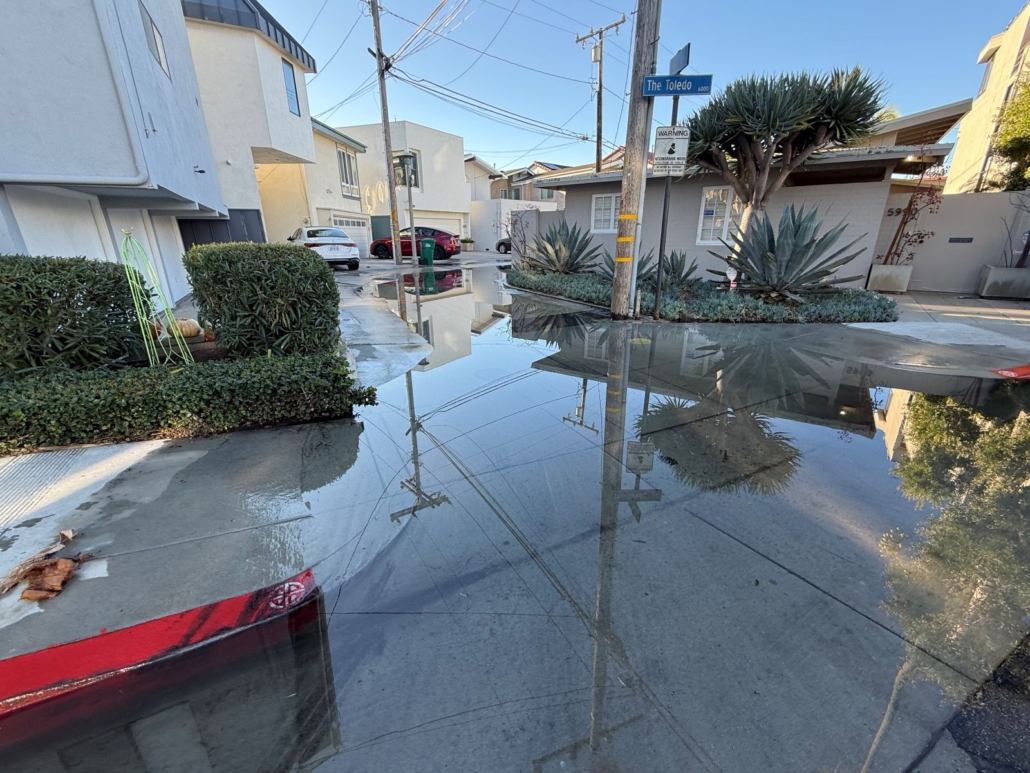
Many older coastal bungalows and traditional homes across Long Beach, Seal Beach, and Costa Mesa sit on raised perimeter foundations. Crawl space flooding after rain happens quickly when clogged gutters dump roof runoff beside foundation vents or low spots along the side yard, or when elevated tides slow neighborhood storm drains.
Standing water and chronic crawl space moisture saturate subfloor insulation, rust post-and-pier hardware, and drive indoor humidity up throughout the living space above. If your crawlspace or yard drainage system relies on a sump pump, test it on a dry afternoon by pouring a bucket of water into the basin to confirm the float switch kicks on smoothly and discharges cleanly to the street or storm drain.
5. Prevent Sewer Backups During Heavy Rain
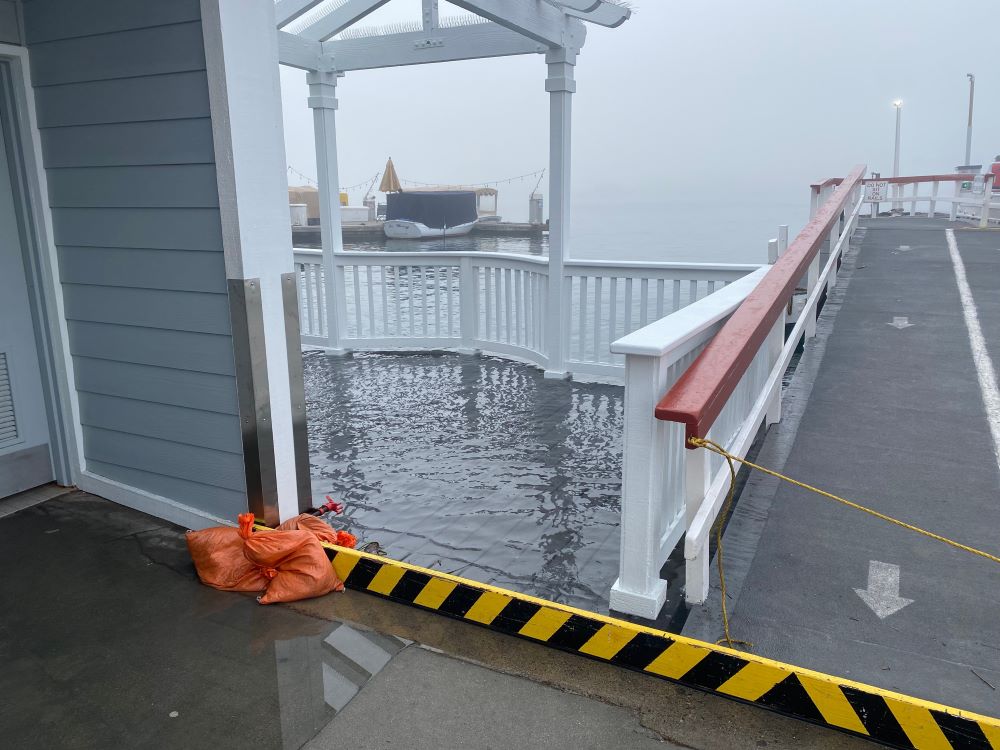
One storm hazard homeowners rarely expect is a sewer backup after heavy rain. Older neighborhoods from Long Beach and Los Alamitos down through Huntington Beach and Costa Mesa still have original clay or cast-iron sewer laterals running from the house to the city main. Over the years, thirsty tree roots work through mortar joints and hairline cracks. When winter storms saturate coastal soil and overload aging municipal lines, a partially blocked home sewer line can back up into ground-floor showers and floor drains at the worst possible moment.
Scheduling a sewer line camera scope before peak storm season lets you see root intrusion, offset joints, cracks, or bellies in the line while repairs can still be planned on your schedule. You can read more on our blog about why sewer scope inspections matter for California properties.
6. Catch Hidden Water Intrusion Early with Thermal Imaging
Not every winter leak drips onto the floor. Slow flashing leaks, parapet wall seepage, and window-frame intrusion often soak attic insulation and the back side of drywall without leaving an obvious puddle. In coastal cities like Huntington Beach, Long Beach, Costa Mesa, and Newport Beach, where ambient marine humidity is already higher than inland Orange County, damp building materials that stay wet past 24 to 48 hours create ideal conditions for mold after a roof or window leak.
Because evaporating moisture cools the surface around it, thermal imaging water leak detection can spot subtle temperature anomalies behind painted ceilings and exterior walls that a flashlight walkthrough alone will miss. Every Crosswind home inspection includes a complimentary full-home infrared thermal scan alongside a thorough roof, attic, exterior, plumbing, and crawlspace evaluation. And if your home has already weathered a leak or has a persistent musty odor after rain, we also provide standalone mold inspection and lab air testing so you have clear, objective lab data rather than guesswork.
A Quick Pre-Storm Weekend Game Plan
- Clear gutters, downspouts, and flat-roof scuppers, then hose-test each drain to confirm water moves away from the foundation.
- Vacuum sand from window and sliding glass door tracks so exterior weep holes drain freely during wind-driven storms.
- Walk the perimeter to verify soil and mulch sit below the stucco weep screed and inspect ocean-facing decks, caulking, and flashing.
- Test crawlspace and yard sump pumps before rain is in the forecast, and snap quick baseline photos of your attic framing and ceilings so any new storm stain is easy to spot.
- Book an annual maintenance checkup or sewer camera scope if your home has a flat roof, raised crawlspace, mature street trees, or a history of past moisture issues.
You don’t need to be buying or selling a house to get a professional set of eyes on your property before winter storms roll off the Pacific. Check our current inspection pricing or contact Crosswind Home Inspection to schedule a pre-storm home maintenance inspection, sewer scope, or mold evaluation anywhere in Cypress, Orange County, or our neighboring coastal communities.