
Condo & Townhome Inspections in Orange County and South LA: What Buyers Should Know
Condos and townhomes are some of the most popular ways to buy in Orange County and South LA. From a first place near the water in Huntington Beach or Seal Beach to a townhome in Cypress, Fullerton, or Long Beach, attached living can put you in a great neighborhood at a more approachable price. But “the HOA takes care of it” doesn’t mean there’s nothing to inspect. Your unit’s plumbing, electrical, water heater, heating and air conditioning, appliances, windows, and finishes are usually your responsibility the day you get the keys. A condo or townhome inspection tells you what condition those systems are in before you commit, so you can negotiate with real information and budget with confidence. Here’s what buyers should know.
Do you need a home inspection for a condo or townhome?
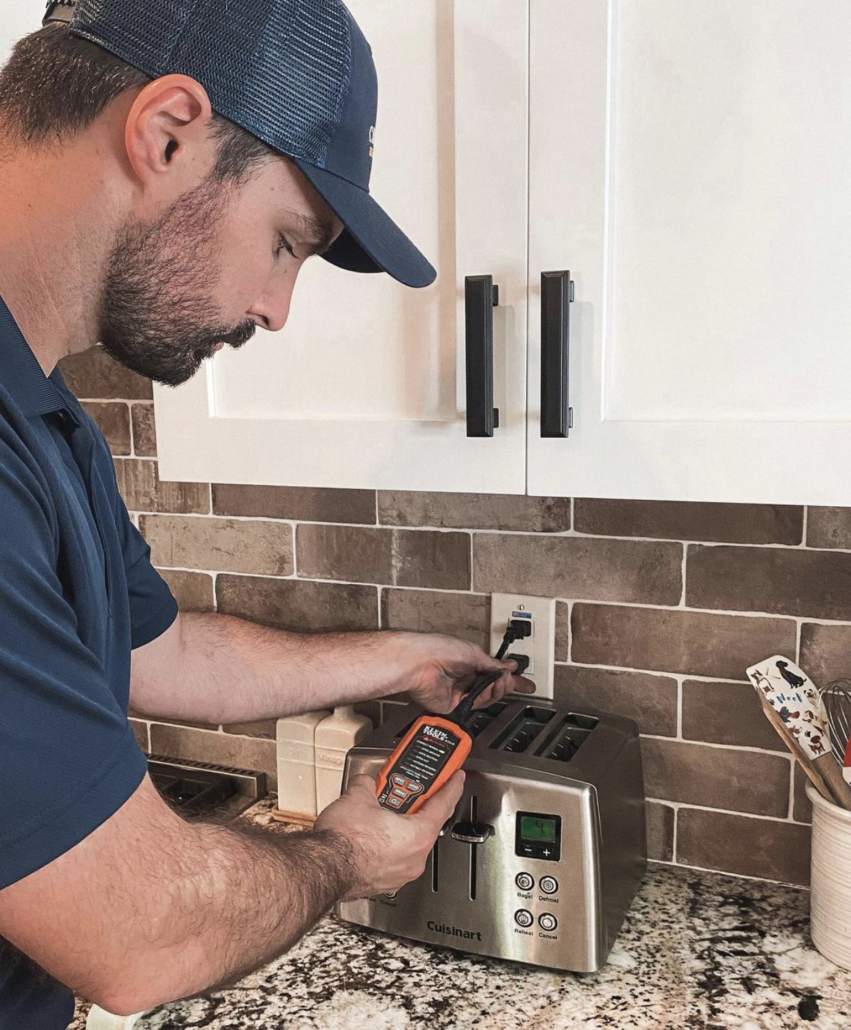
Yes. It’s one of the best investments you can make in an attached-home purchase. The HOA typically maintains shared elements like the main roof, exterior walls, and common areas, but the systems inside your walls are generally yours to repair and replace. A water heater at the end of its life, an overloaded electrical panel, or a slow leak under a bathroom vanity can turn into a real expense shortly after move-in. A professional inspection gives you a clear picture of the unit you’re actually buying, not just the building it sits in. Our inspections are performed by an InterNACHI Certified Master Inspector (CMI), and every inspection includes a free full thermal imaging scan. If you’re new to the process, our guide on what a home inspection is covers the basics.
What does a condo inspection cover?
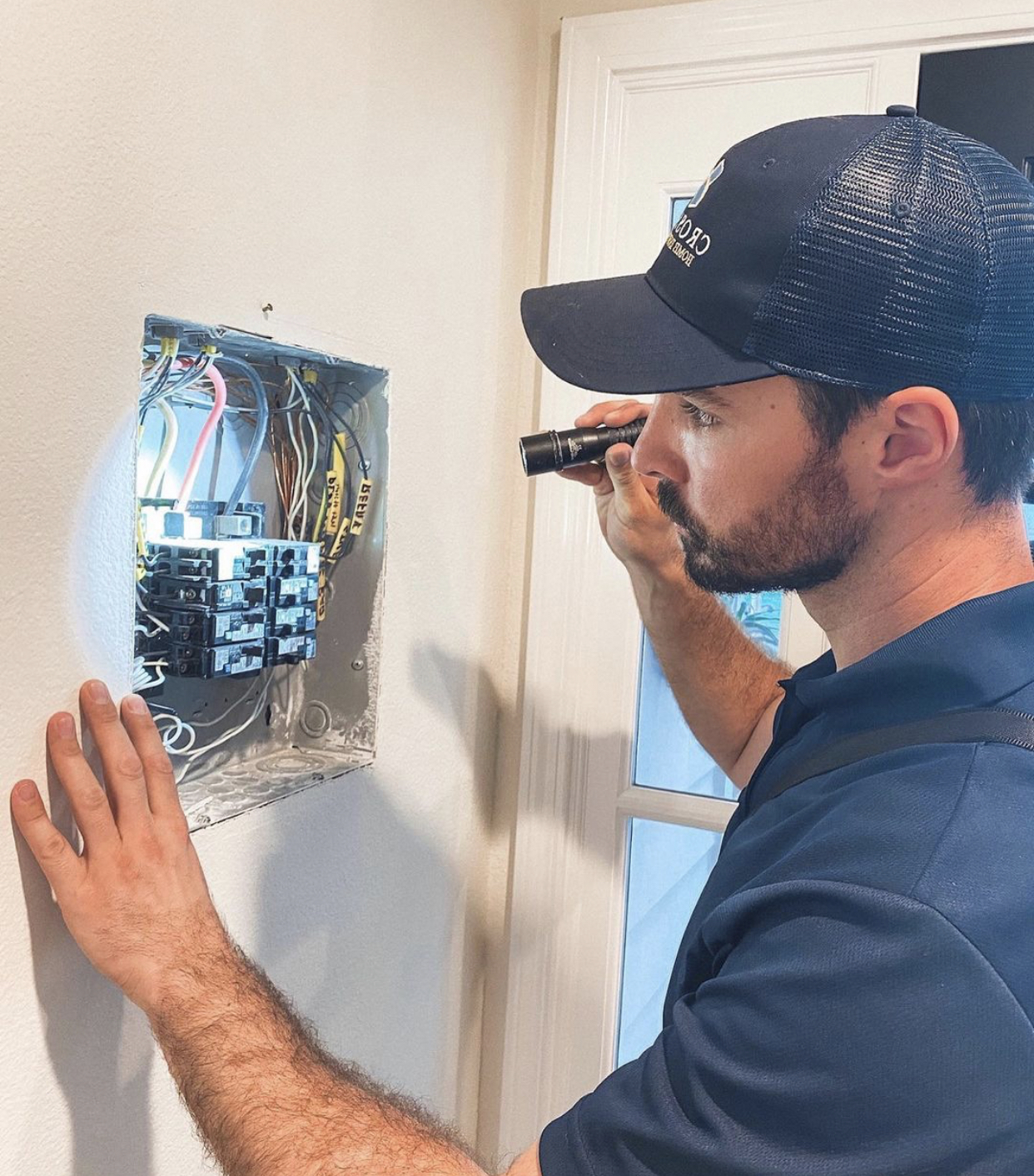
A condo inspection in Orange County focuses on everything that serves your unit. We look at:
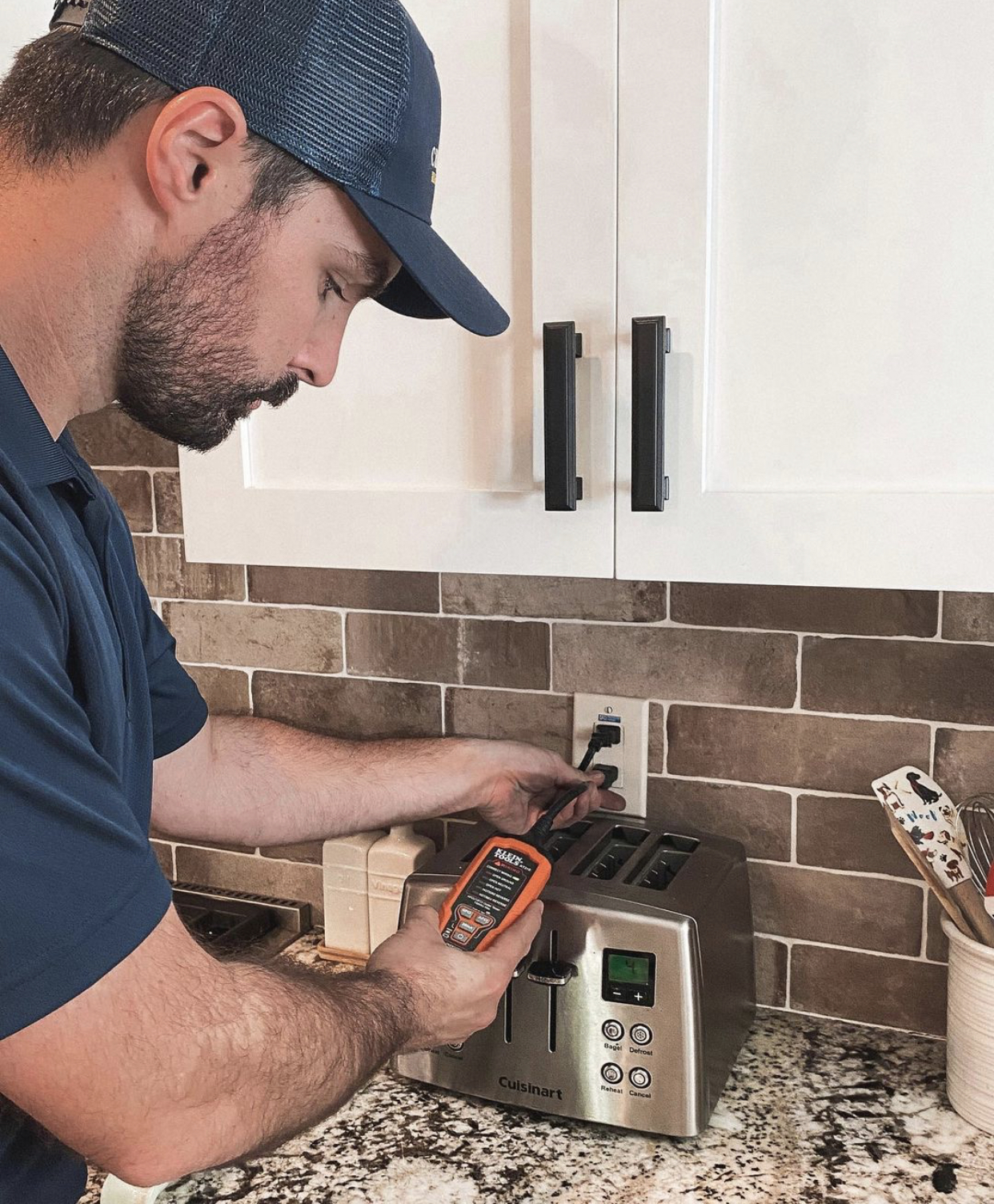
- Electrical: the panel and breakers, visible wiring, outlets and switches, and GFCI and AFCI protection where they’re expected, such as kitchens, bathrooms, laundry areas, and exterior outlets.
- Plumbing: supply lines, drains, fixtures, shutoffs, toilets, and visible piping under sinks, plus signs of past or active leaks.
- Water heater: age, condition, venting, seismic strapping, and the temperature and pressure relief valve and its discharge line.
- Heating and air conditioning: operation, condition, filters, and visible ductwork, whether the equipment sits in a closet, on a balcony, or on the roof.
- Kitchen appliances: built-in appliances such as the range, dishwasher, disposal, and built-in microwave.
- Windows and doors: operation, seals, locks, and signs of moisture at sills and frames.
- Balconies and patios: railings, surfaces, and drainage around the parts that belong to your unit.
- Attached garage: the wall and door between the garage and the living space, which help slow the spread of fire and fumes into the home.
Watching for leaks from the units around you
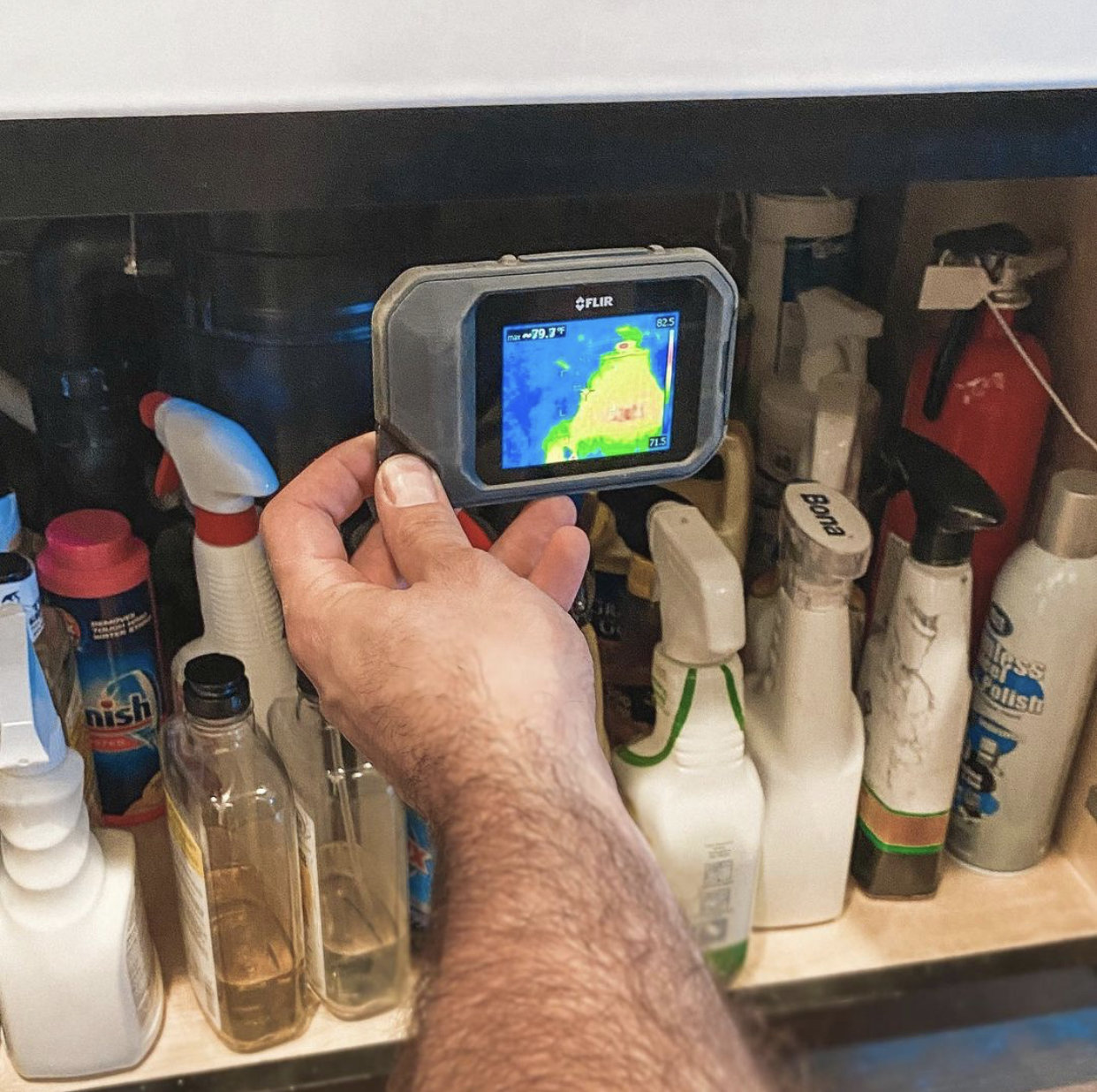
In attached homes, water doesn’t respect property lines. A shower pan leak in the unit above or a supply line issue next door can show up as staining on your ceiling or dampness in a shared wall, sometimes long before you’d notice it yourself. This is where our thermal imaging scan earns its keep. Infrared imaging helps reveal temperature patterns that can point to hidden moisture behind ceilings, walls, and cabinets, so we can flag areas that deserve a closer look. We check ceilings below bathrooms and kitchens, walls shared with neighboring units, the areas under sinks, and around windows and sliding doors. It’s included free with every Crosswind inspection.
Condo vs. townhome inspections: what’s different?
The biggest difference is how much of the building you own. In a typical condo, you own the interior “airspace” of your unit and the HOA maintains the structure, roof, and exterior. In many townhome communities, the owner is responsible for more of the home, which can include the roof, exterior surfaces, attic, and sometimes the garage and private yard areas. Every community is different, and the governing documents (the CC&Rs) spell out who maintains what. That’s why we look at the parts of the home that are accessible and relevant to the property you’re buying. For a townhome where you’ll be responsible for the roof or attic, that’s especially valuable information to have before you close.
Water heaters and HVAC in Orange County condos
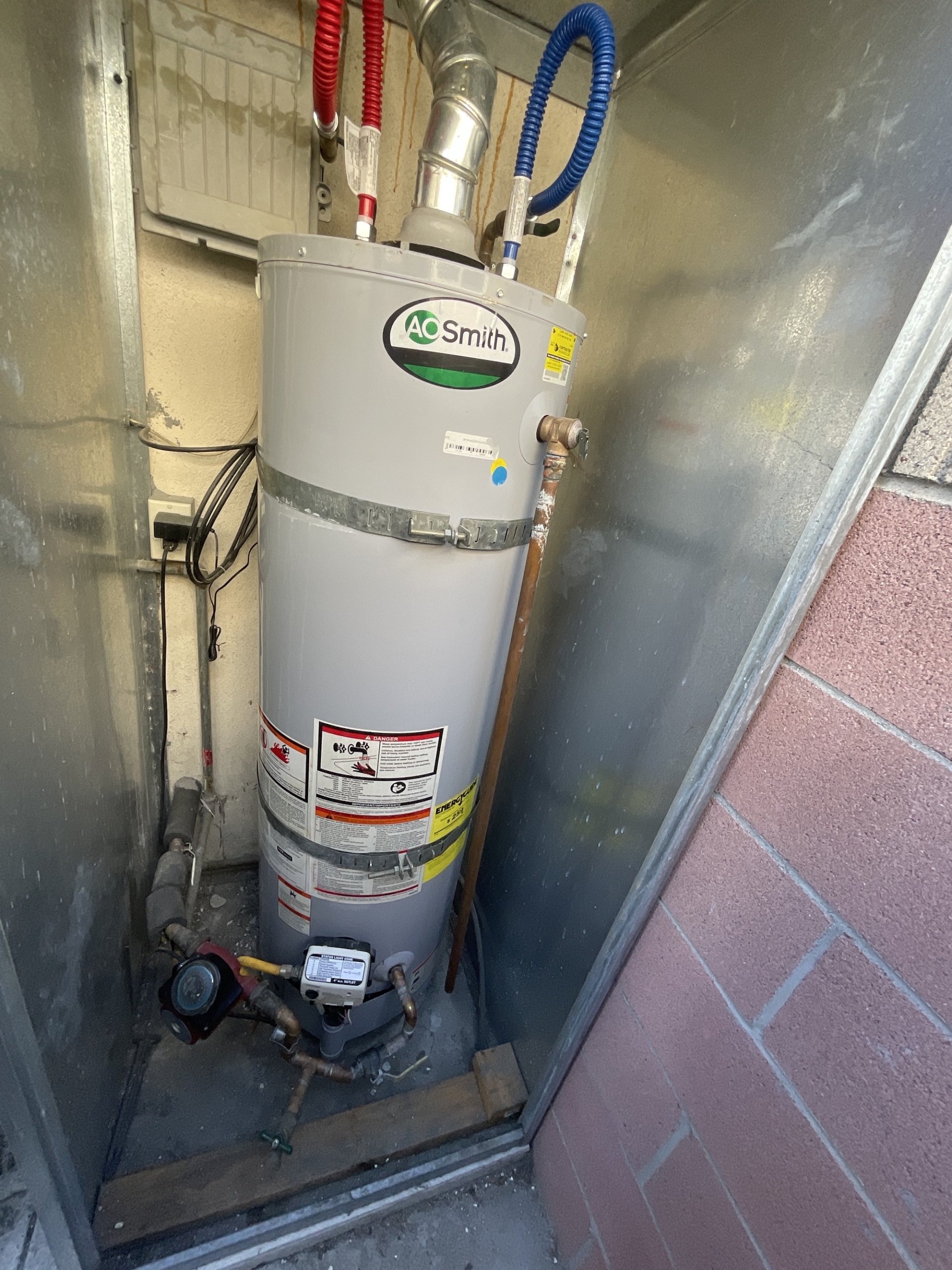
Many condos and townhomes in Orange County and Long Beach have their water heater in an exterior closet, a garage, or a small interior utility space. We check for proper seismic strapping, venting, the relief valve and discharge line, and signs of corrosion or leaking at the base. Heating and air conditioning equipment can be tucked into closets, attics, or rooftop and balcony locations. We operate the system, look at its condition, and note anything that needs service. These are two of the more expensive systems a condo owner typically handles on their own, so knowing where they stand helps you plan.
Is a sewer scope worth it for a townhome?
Sometimes, and it’s worth asking. In many condo buildings, the sewer lines are shared and maintained by the HOA. In some townhome communities, though, each home has its own private lateral running to a shared line or the city main, and the owner is responsible for it. If your townhome has its own lateral, a sewer scope inspection uses a camera to look for root intrusion, cracks, separated joints, and bellies in the line. It’s $295 when added to your home inspection. For more on why it matters in Southern California, read the value of a sewer scope inspection.
Pair your inspection report with the HOA documents
The inspection report covers the condition of the unit. The HOA documents tell you about the health of the community. As part of your due diligence, review the reserve study, recent board meeting minutes, the budget, and any special assessments, along with any reports the association has on the building, such as balcony or other elevated-element inspections. Together, the inspection report and HOA documents give you the full picture: what you’ll handle on your own, what the association is planning, and whether reserves are healthy enough to cover it.
Timing: your 17-day investigation window
Under the standard C.A.R. California Residential Purchase Agreement, buyers have 17 days after acceptance (unless the contract says otherwise) to complete their investigations, including the home inspection (C.A.R. Contingencies Quick Guide). During that window, you can request repairs or credits from the seller. The seller doesn’t have to agree, but solid documentation makes for a clearer conversation. That’s why speed matters. We deliver your interactive digital report the same day as the inspection, and our reports include a repair request tool your agent can use to build that request quickly. If mold testing is added, lab results are delivered within 48 hours. To get the most out of the day, see how to prepare for a home inspection.
How much does a condo inspection cost in Orange County?
As a general guide, a typical home inspection in Orange County and South LA runs about $400 to $700. Condos and townhomes usually land at the lower end because there’s less home to inspect. At Crosswind, condo and townhome inspections start at $429, compared with $471 for single-family homes. Our price is based on the size of the home, and a travel charge may apply if the property is outside a 20-mile radius. A full thermal scan is always included, and we don’t charge extra for crawlspaces or raised foundations. For a deeper breakdown, see our home inspection cost guide for Orange County and LA, or get an instant quote on our pricing page.
Schedule your condo or townhome inspection
We inspect condos and townhomes across Orange County and South LA, including Cypress, Long Beach, Lakewood, Seal Beach, Huntington Beach, Fullerton, Irvine, Los Angeles, and Riverside. You’re welcome to attend, ask questions, and get an in-person summary at the end of the inspection. Get an instant quote on our pricing page or book your inspection online.
Frequently asked questions
Yes. The HOA typically maintains shared elements like the main roof and common areas, but the plumbing, electrical, water heater, heating and air conditioning, appliances, and windows inside your unit are usually your responsibility. A condo inspection shows you their condition before you commit.
A Crosswind condo inspection covers the systems and components that serve your unit, including the electrical panel and GFCI/AFCI protection, plumbing and fixtures, water heater, heating and air conditioning, built-in appliances, windows and doors, balconies and patios, and the wall and door between an attached garage and the home. A full thermal imaging scan is included free.
Townhome owners are often responsible for more of the home, which can include the roof, exterior, attic, and garage, depending on the community’s CC&Rs. We inspect the accessible parts of the property you’re buying, so a townhome inspection often covers more ground than a condo inspection.
As a general guide, a typical home inspection in Orange County runs about $400 to $700. Crosswind’s condo and townhome inspections start at $429. Pricing is based on the size of the home, and a travel charge may apply outside a 20-mile radius.
If your townhome has its own private sewer lateral, a sewer scope is worth considering. It uses a camera to check the line for roots, cracks, and separated joints. Crosswind offers a sewer scope for $295 when added to a home inspection.
We deliver your interactive digital report the same day as the inspection, which helps you act within your contingency period. If mold testing is added, lab results are delivered within 48 hours.

Leave a Reply
Want to join the discussion?Feel free to contribute!